
Healthy Tips About Turmeric: Benefits and Usage in Your Diet
12/5/20254 min read
Understanding Turmeric: The Golden Spice
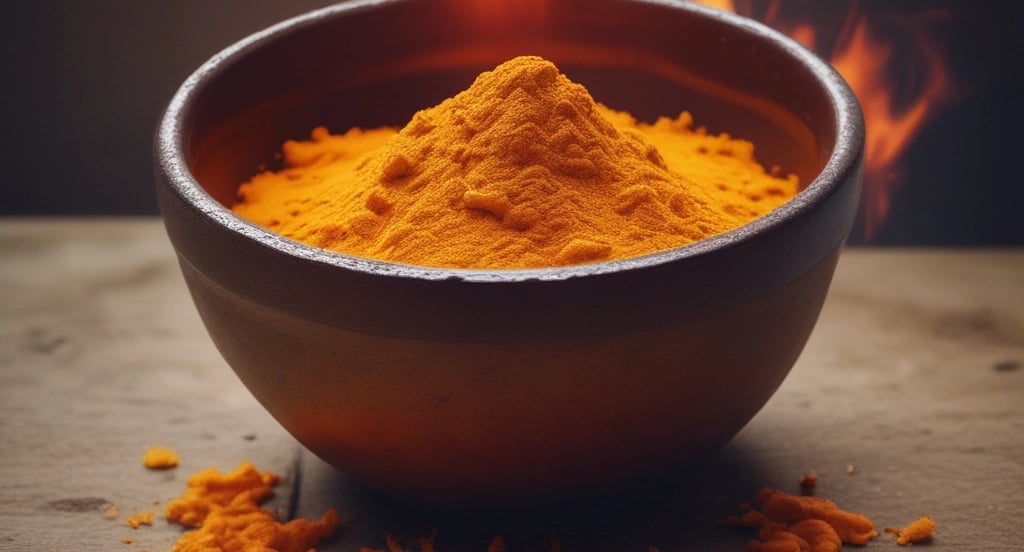
Turmeric, often referred to as the "golden spice," has a rich history rooted in diverse cultures, primarily in South Asia. It is derived from the rhizome of the Curcuma longa plant, a member of the ginger family. The vibrant yellow pigment of turmeric comes from its active compound, curcumin, which is primarily responsible for its many health benefits. Historically, turmeric has been utilized not only as a spice in cooking but also as a significant element in traditional medicine and cultural rituals.
The culinary significance of turmeric is evident in various cuisines, particularly in Indian and Southeast Asian cooking. It is a key ingredient in curry powders and lends a distinct flavor and color to a range of dishes. Beyond its culinary uses, turmeric has long been celebrated in Ayurvedic medicine for its potential anti-inflammatory properties, making it an essential item in the herbal medicine realm. Its use dates back thousands of years, evidencing its longstanding importance across different cultures.
In addition to its flavor profile, turmeric's utilization in alternative medicine has garnered increased attention in recent years. Researchers and health enthusiasts alike are examining the potential medicinal properties of curcumin, leading to its popularity as a dietary supplement. This interest stems from turmeric's purported benefits, which range from improving digestion to reducing the risk of chronic diseases. As a result, both turmeric and its active ingredient have found a place in the wellness community, reflecting a growing awareness of natural health solutions.
As consumers continue to explore healthier dietary options, turmeric's versatility and nutritional value position it as a favored ingredient. Whether used in savory dishes, smoothies, or wellness supplements, turmeric's appeal is undeniably rooted in its cultural heritage and ongoing relevance in contemporary health practices.
Health Benefits of Turmeric: Why You Should Incorporate It
Turmeric, a vibrant yellow spice commonly found in Asian cuisine, is celebrated not only for its flavor but also for its extensive health benefits. One of the most prominent components of turmeric is curcumin, a compound renowned for its powerful anti-inflammatory properties. Studies have suggested that curcumin can effectively mitigate inflammation, which is linked to various chronic diseases, including heart disease and diabetes. This makes turmeric an invaluable addition to a health-conscious diet.
Beyond inflammation, turmeric also boasts significant antioxidant capabilities. Antioxidants play a critical role in neutralizing harmful free radicals in the body, thus preventing oxidative stress and cellular damage. Research indicates that regular consumption of turmeric may reduce the risk of chronic illnesses by enhancing the body's overall antioxidant defenses. For those seeking natural ways to improve immunity, turmeric serves as a beneficial option.
Furthermore, emerging studies highlight turmeric's potential in cancer prevention. Preliminary research suggests that curcumin can inhibit the growth of cancer cells and may even induce apoptosis (programmed cell death) in certain cancer types. While more extensive clinical trials are needed, these findings are encouraging for those considering the health benefits of turmeric in their daily diets.
Additionally, this golden spice contributes to better digestion and skin health. Its anti-inflammatory properties can soothe the gut lining and alleviate symptoms of digestive disorders. When applied topically, turmeric may improve skin conditions like acne and psoriasis, thanks to its natural antibacterial and anti-inflammatory qualities.
Overall, turmeric's diverse health benefits, including its impact on cognitive function and potential anti-cancer properties, emphasize the importance of incorporating this superfood into our diets. As more research emerges, the case for turmeric's health benefits continues to strengthen, making it a worthwhile investment in one's overall well-being.
Creative Ways to Use Turmeric in Your Cooking
Incorporating turmeric into your daily diet can be both enjoyable and beneficial for your health. This vibrant spice, known for its anti-inflammatory properties and rich flavor, can easily be added to a variety of dishes. One popular method is to include turmeric in your morning smoothie. A teaspoon of turmeric powder blended with fruits such as bananas or mangoes, along with a splash of coconut milk, can create a flavorful and nutritious drink to start your day.
For those who enjoy warming dishes, turmeric can be a wonderful addition to soups and stews. Simply add turmeric to your base along with other spices, such as cumin and coriander, to enhance the flavor profile of lentil soups or chickpea stews. This not only enriches the dish’s taste but also provides you with numerous health benefits associated with turmeric. Moreover, this spice has a distinct color that can elevate the visual appeal of any meal.
If you're looking for a fresh twist on salad dressings, consider making a turmeric-infused vinaigrette. Mix olive oil, apple cider vinegar, a teaspoon of turmeric, a touch of honey, and a pinch of salt and pepper. This blend adds a zesty kick to leafy greens and complements peppery arugula or sweet baby spinach. Additionally, turmeric can be used in marinades for meats and tofu. Combining turmeric with garlic, ginger, and citrus juices can create a delightful coating for grilled or roasted proteins.
Beyond these methods, turmeric can also be sprinkled on roasted vegetables or integrated into grain dishes, such as quinoa or rice. Balancing turmeric’s strong flavor with herbs and spices like cilantro or lime can create a seamless flavor profile. By experimenting with different culinary applications, you can effortlessly enhance your meals with turmeric, making it a staple ingredient in your kitchen.
Precautions and Considerations When Using Turmeric
As beneficial as turmeric may be for health, it is essential to approach its incorporation into one’s diet with caution and awareness of potential precautions. Firstly, appropriate dosage is vital; excessive intake of turmeric can lead to gastrointestinal disturbances such as nausea and diarrhea. It is generally recommended that adults stick to a daily intake of about 1 to 3 grams of turmeric or 400 to 600 milligrams of turmeric extract, depending on the intended health benefit. This dose can vary based on individual health conditions, age, and overall diet, underscoring the need for moderation.
Another important consideration is the interaction of turmeric with certain medications. The active compound in turmeric, curcumin, is known to affect blood clotting, which can amplify the effects of anticoagulant and antiplatelet medications like warfarin. Thus, individuals taking these medications should exercise caution and consult a healthcare provider to ensure that turmeric won’t interfere with their treatment regimen. Additionally, turmeric could potentially affect blood sugar levels and should be discussed with a doctor for those on diabetes medication.
Allergic reactions, although uncommon, may occur in some individuals when consuming turmeric. Symptoms can range from mild reactions like skin rashes to severe reactions such as anaphylaxis. Individuals with existing allergies, especially to plants in the ginger family, should be particularly vigilant. Lastly, those with specific health concerns, such as gallbladder disease, or pregnant women should consult with healthcare professionals prior to adding turmeric to their diets. By understanding these precautions, individuals can safely enjoy turmeric’s myriad health benefits while minimizing potential risks.