
Healthy Tips About Beetroot: Your Guide to Better Health and Weight Loss
12/5/20254 min read
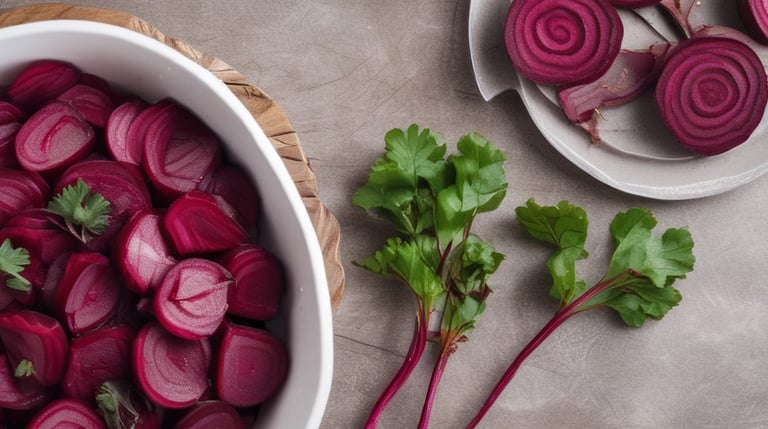

Introduction to Beetroot and its Nutritional Value
Beetroot, scientifically known as Beta vulgaris, is a remarkable vegetable that stands out not only for its vibrant color but also for its robust nutritional profile. This root vegetable is often celebrated in the health community, largely due to its rich array of essential vitamins and minerals. The deep, rich red hue of beetroot is attributed to betalains, a group of pigments that boast potent antioxidant properties. These compounds contribute to various health benefits, including inflammation reduction and enhanced detoxification.
When it comes to calorie count, beetroot is notably low, making it an excellent addition to weight management diets. A typical serving contains approximately 43 calories, which allows individuals to enjoy its nutritional advantages without exacerbating daily caloric intake. Furthermore, this vegetable is high in dietary fiber, which plays a vital role in digestive health. A fiber-rich diet aids in maintaining a healthy gut, supporting weight loss by promoting satiety and reducing overall food intake.
In terms of nutritional components, beetroot is a noteworthy source of folate, which is crucial for DNA synthesis and repair, particularly important during periods of rapid growth such as pregnancy. Additionally, its high potassium content is beneficial for regulating blood pressure and ensuring proper muscle function. Beetroot also provides a source of vitamin C, known for its immune-boosting properties, which can help fend off illness.
Overall, incorporating beetroot into one’s diet not only contributes to better health outcomes but also supports weight loss efforts. With its diverse nutritional attributes, beetroot is more than just a colorful addition to meals; it is a key player in promoting overall well-being and effective dietary management.
Boosting Heart Health with Beetroot
Beetroot, often recognized for its vibrant color and earthy flavor, is increasingly being acknowledged for its significant cardiovascular benefits. One of the primary reasons beetroot is advantageous for heart health is its high nitrate content. When consumed, nitrates are converted into nitric oxide within the body, a compound known to promote vasodilation. This physiological process helps to widen blood vessels, resulting in lowered blood pressure levels. As a consequence, the incorporation of beetroot juice into one’s diet has been linked to improved blood flow and reduced strain on the heart.
Several studies have emphasized the beneficial impact of beetroot on cardiovascular health. For instance, a research study published in the journal "Nutrition" highlighted that regular consumption of beetroot juice resulted in significant decreases in blood pressure among hypertensive individuals. Additionally, participants who consumed beetroot regularly demonstrated increased levels of nitric oxide, further reinforcing its role in enhancing cardiovascular function.
Moreover, the heart health benefits of beetroot extend beyond mere blood pressure reduction. The antioxidants present in this root vegetable help combat oxidative stress, which is often a contributing factor to heart disease. These antioxidants, coupled with beetroot's ability to enhance exercise performance and endurance, mean that individuals looking to maintain a healthy heart can greatly benefit from its inclusion in their diet. Enhanced exercise performance leads to improved overall cardiovascular health, allowing individuals to engage more effectively in physical activity, which is essential for weight management and overall well-being.
In summary, the incorporation of beetroot into a balanced diet holds promise for supporting heart health, primarily through its ability to lower blood pressure and enhance vascular function. By including this nutrient-rich vegetable, individuals can take proactive steps towards bolstering their cardiovascular system.
Beetroot for Weight Loss: How it Helps Shed Pounds
Beetroot, a vibrant and nutritious root vegetable, has gained attention for its potential role in weight loss. One of the primary reasons beetroot can assist in shedding pounds is its low-calorie content. A typical serving of beetroot provides essential nutrients without significantly impacting overall caloric intake. This characteristic makes it an ideal food for those aiming to manage their weight effectively.
Furthermore, beetroot is an excellent source of dietary fiber. The high fiber content promotes a feeling of fullness, which can help curb cravings and reduce the likelihood of overeating. When individuals experience satiety, they are less inclined to consume additional calories throughout the day. This contributes positively to weight management and aligns with healthier eating habits.
In addition to its caloric and fiber benefits, beetroot contains unique compounds known as nitrates. These natural substances have been shown to enhance blood flow and improve exercise performance. A well-functioning metabolism is crucial for effective weight loss, and the nitrates found in beetroot may support metabolic processes, potentially leading to increased fat burning. Incorporating beetroot into a balanced diet not only enriches meals but also aids in achieving energy balance and promoting fat oxidation.
For those looking to integrate beetroot into their meals, there are numerous delicious options. Consider adding raw beetroot to salads, roasting it as a side dish, or blending it into smoothies for added nutrition. Beetroot juice is another option that can be easily incorporated into a daily routine. By experimenting with various cooking methods and recipes, individuals can enjoy the benefits of beetroot while staying committed to their weight loss journey.
Additional Health Benefits of Beetroot
Beyond its well-known advantages for heart health and weight management, beetroot offers a range of additional health benefits that make it a valuable addition to a balanced diet. One of the prominent features of beetroot is its anti-inflammatory properties, which can help reduce inflammation in the body, potentially lowering the risk of chronic diseases. The presence of betalains, a type of antioxidant, is linked to these anti-inflammatory effects, providing a natural way to combat oxidative stress and chronic inflammation.
The fiber content in beetroot plays a significant role in promoting digestive health. Consuming foods rich in fiber is crucial for maintaining a healthy digestive system, as it helps regulate bowel movements and prevent constipation. This dietary fiber not only supports digestion but also contributes to overall gut health, fostering a balanced microbiota, which is essential for nutrient absorption and immune function.
Moreover, beetroot is often associated with detoxification. The unique compounds found in beets support liver function and promote the excretion of toxins from the body. As a natural detoxifier, beetroot can assist in cleansing processes, making it an important component in a detox diet.
Recent studies have suggested that beetroot may even have cognitive benefits, potentially boosting brain function and improving mental clarity. This is attributed to increased blood flow to the brain, enhanced by the nitrates present in beetroot. Additionally, athletes may find beetroot beneficial for performance, as it can improve stamina and reduce fatigue during exercise.
To maximize the health benefits of beetroot, consider incorporating it into various dishes. Roasted beetroot, beet hummus, or even beet smoothies are excellent ways to enjoy this superfood. By making beetroot a regular part of your meals, you can harness its numerous advantages for overall health and wellbeing.